 Woman And Wheels Automotive website dedicated to women
The car business is abuzz with electrification. All but one manufacturer has introduced a vehicle with some form of electric assistance or batteries. A number of OEMs have even delved into fuel-cell technology, but Mazda’s gone a different way.
By looking ahead, Mazda’s devised a short, medium and long-term plan for sustainable and clean transportation. In that plan, the internal combustion engine (ICE) still plays an important role, at least for the next twenty years or so. By tearing apart the ICE and rethinking it, they’ve ensured that its work will be done as efficiently as possible. Mazda intends to use the ICE in many forms. Be it a plug-in hybrid, a hybrid, as a range extender on an EV or as the sole source of motivation, it still has much work to do.
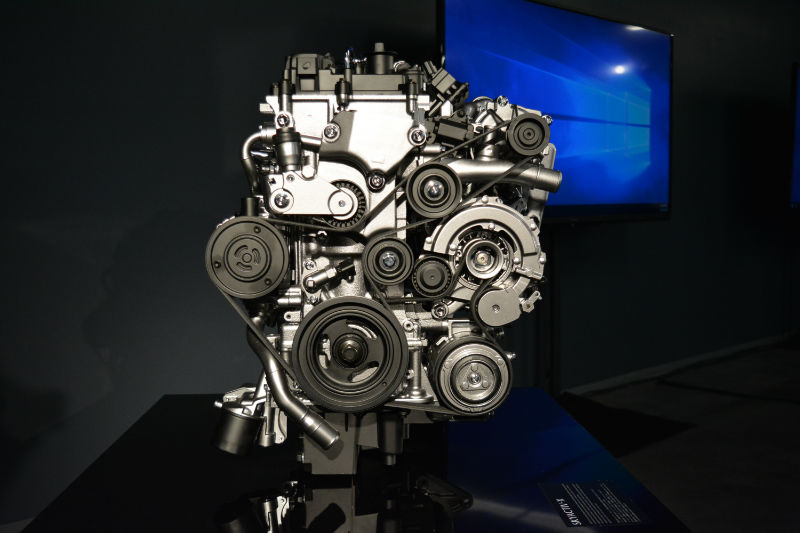
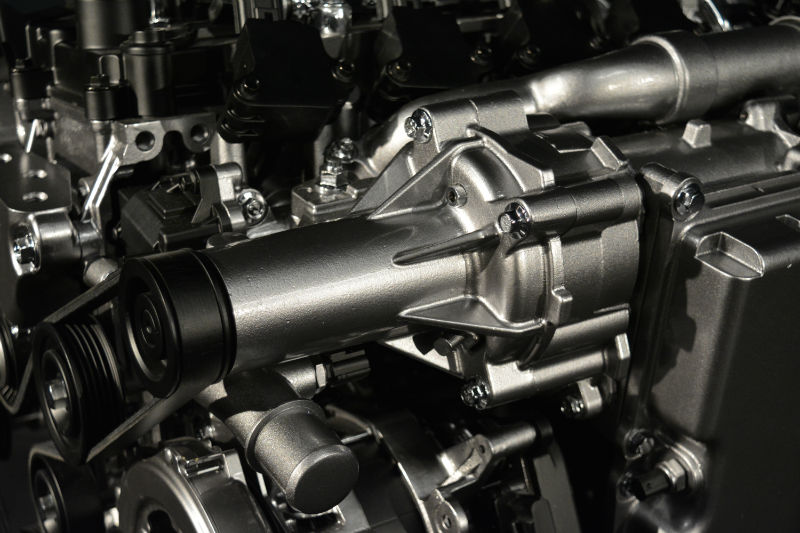
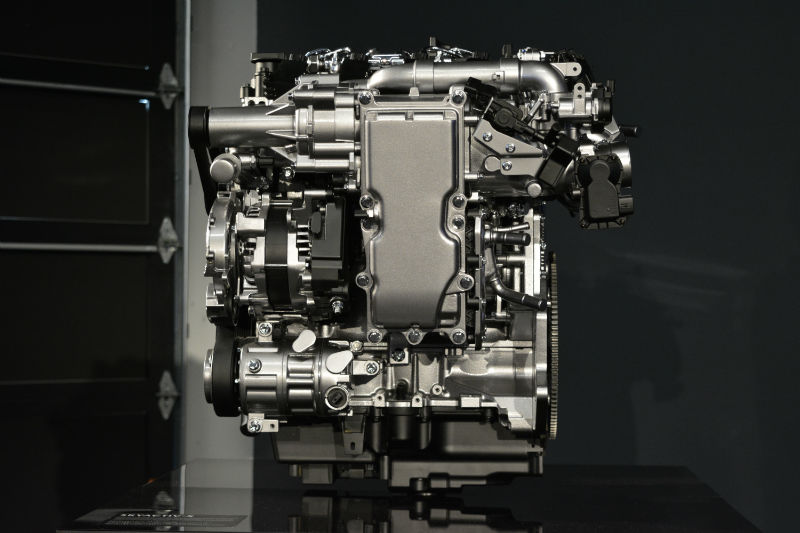
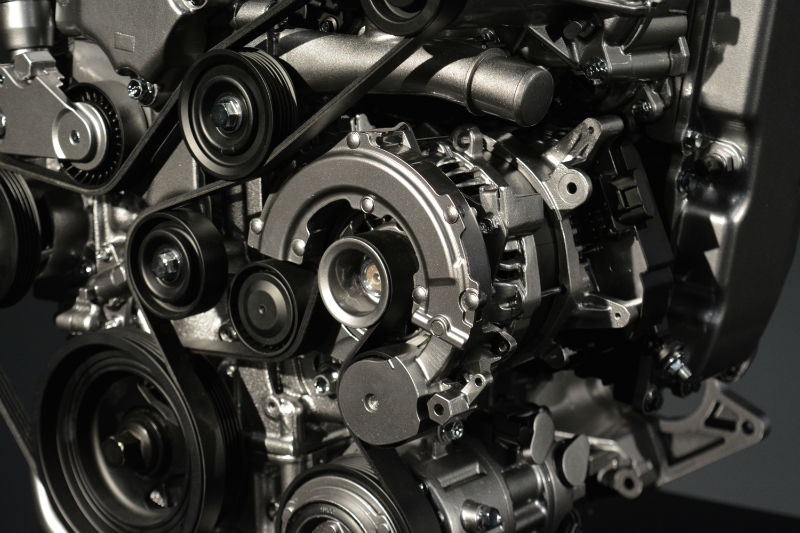
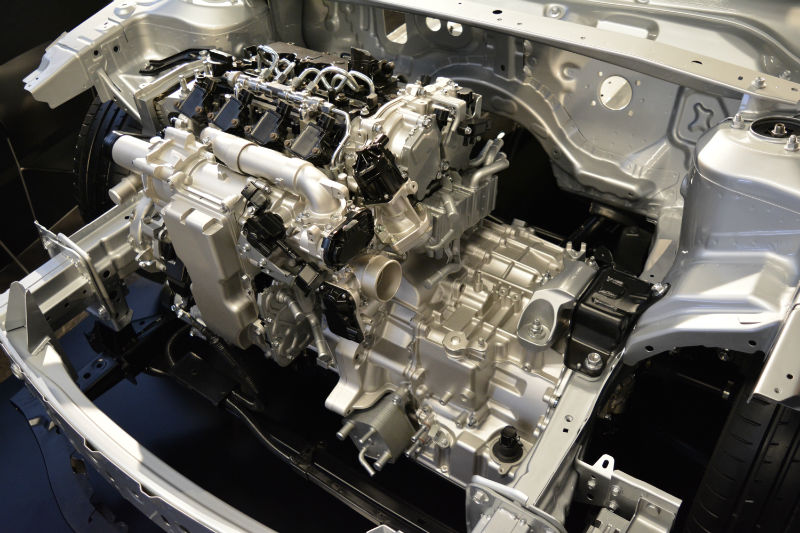
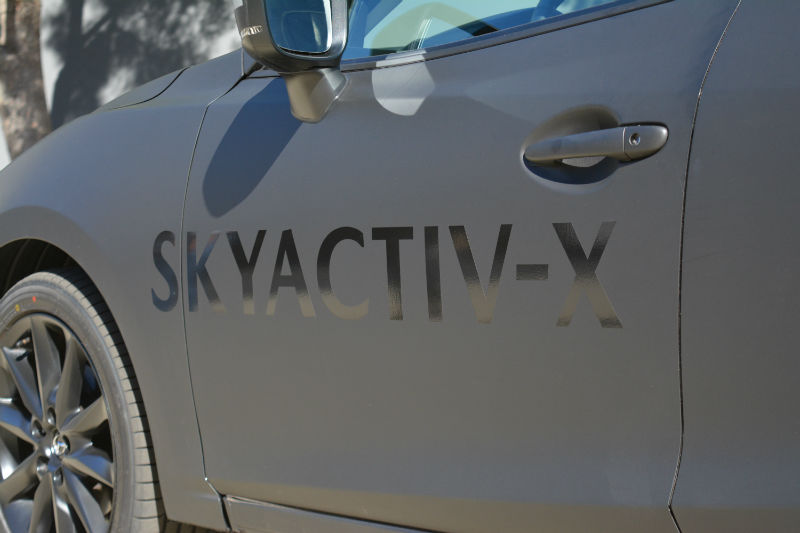
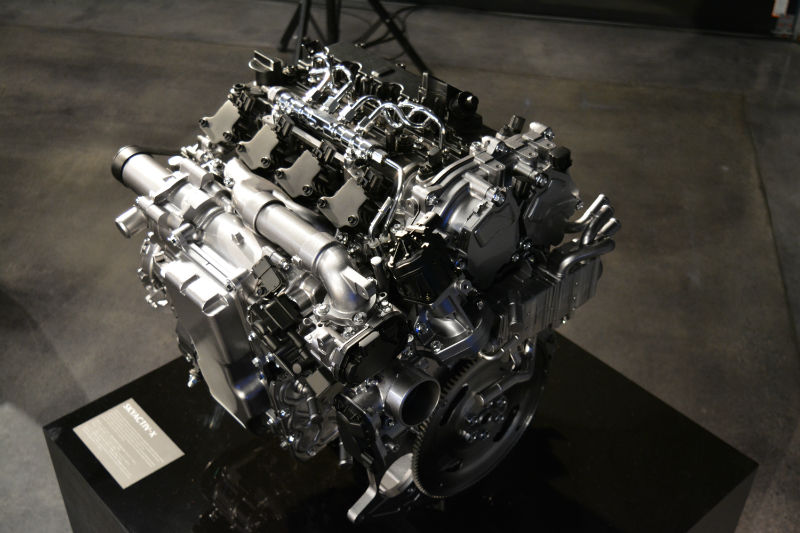
Following many years of research and development, Mazda’s come up with the SkyActiv-X generation of engines. This new technology combines the advantages of gasoline and diesel engines to create an ideal situation: better fuel efficiency, more power and upgraded performance. How could anyone argue with that?
In brief, Mazda’s increased the engine’s compression ratio which drives up torque output. The engine features two types of compression-ignition with a spark (not usually necessary with a compression ignition engine) in order to maintain a lean fuel mixture and keep operating conditions optimized. The bottom line is that, on paper at least, this technology will consume less fuel all the while generate equal or more power. As well, it should provide better throttle response and all the driving pleasure we’ve come to expect from Mazda.
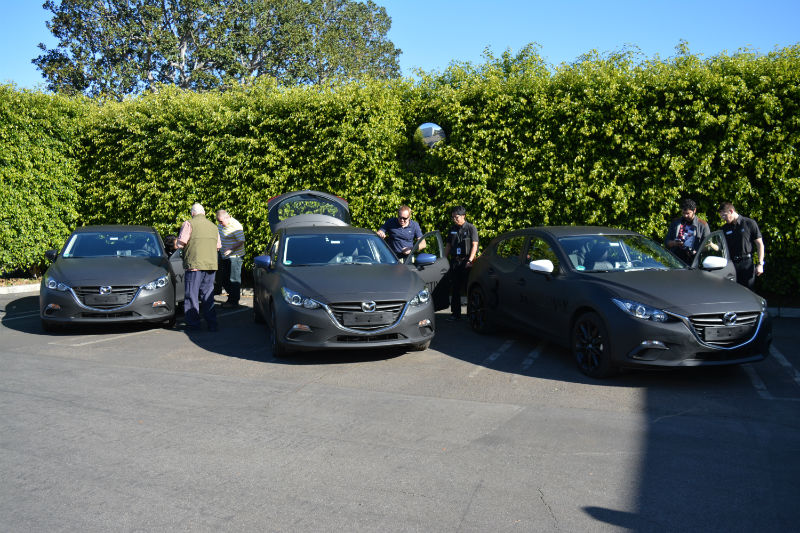
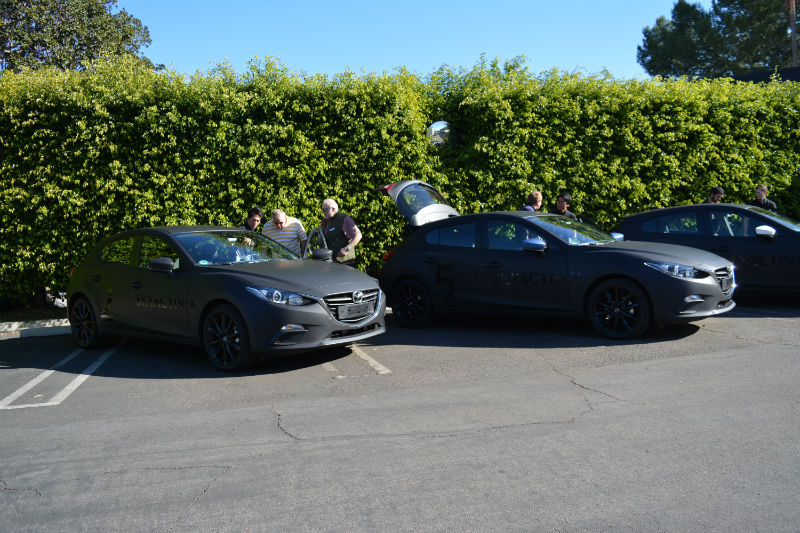
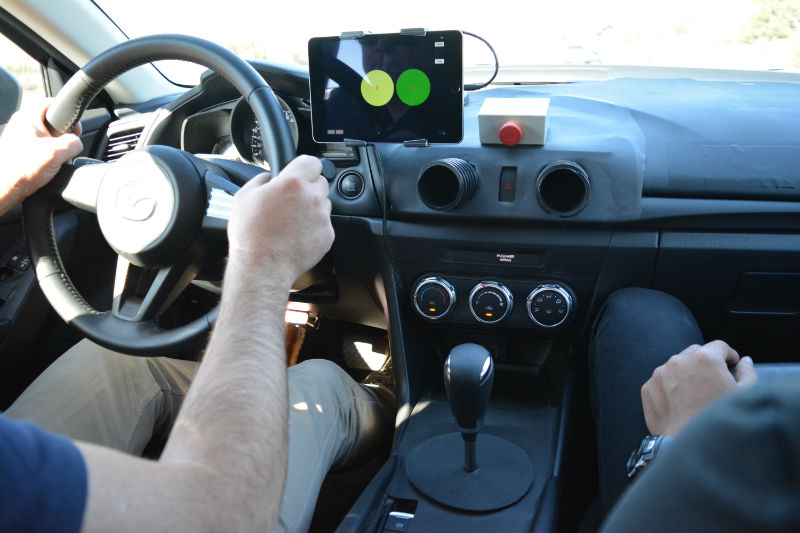
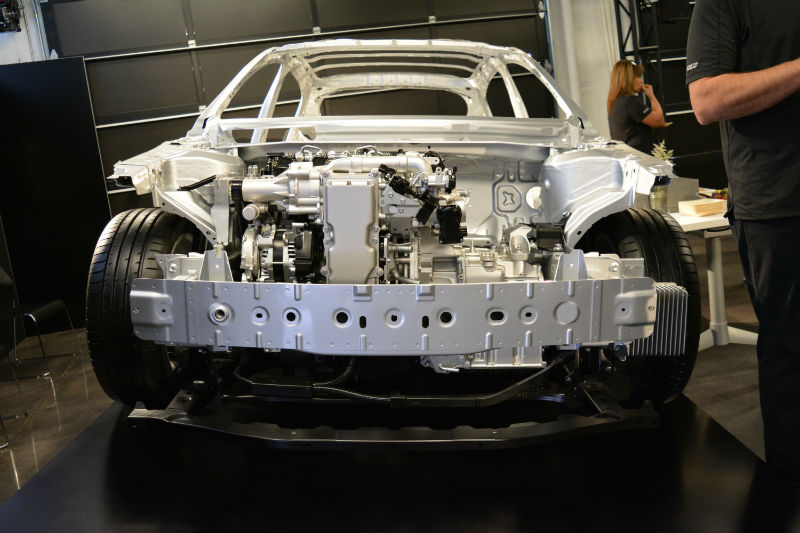
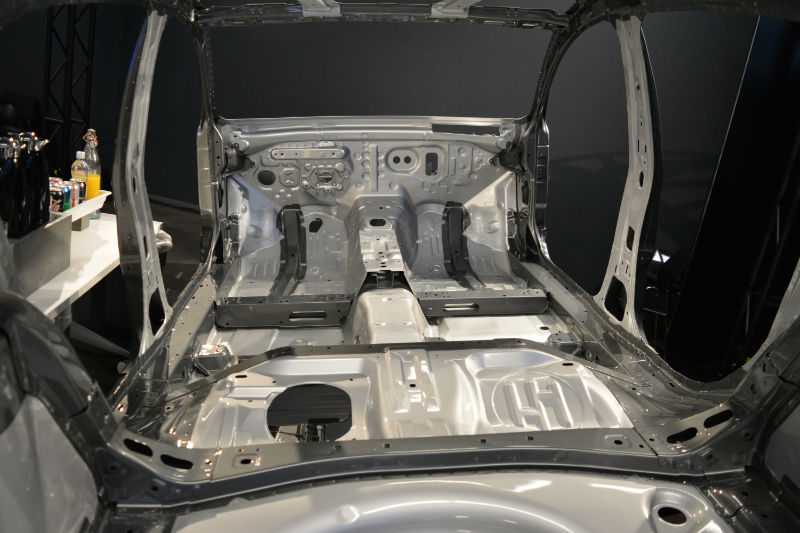
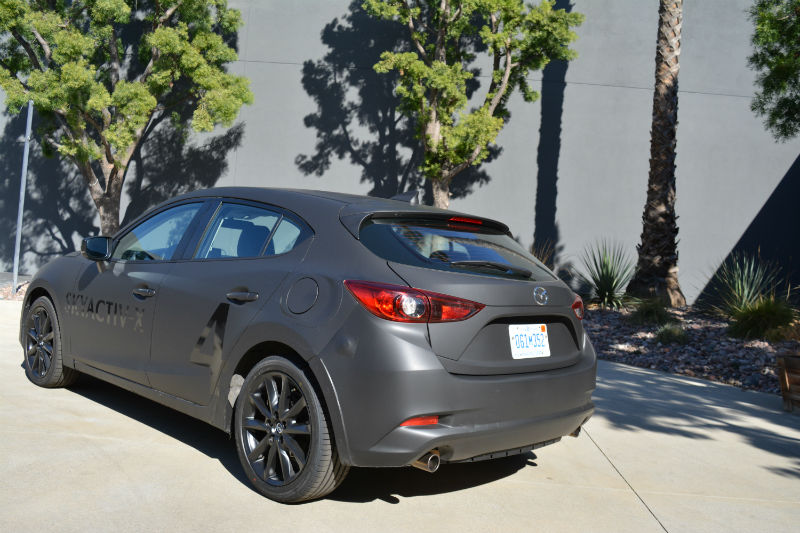
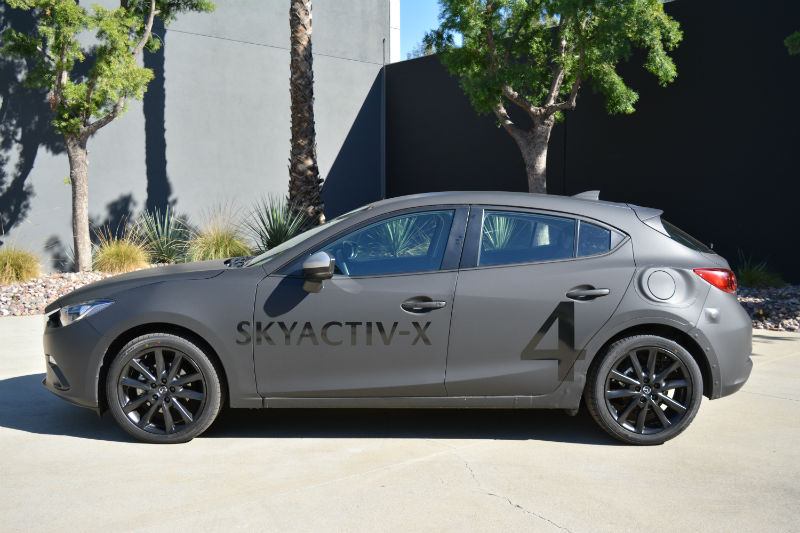
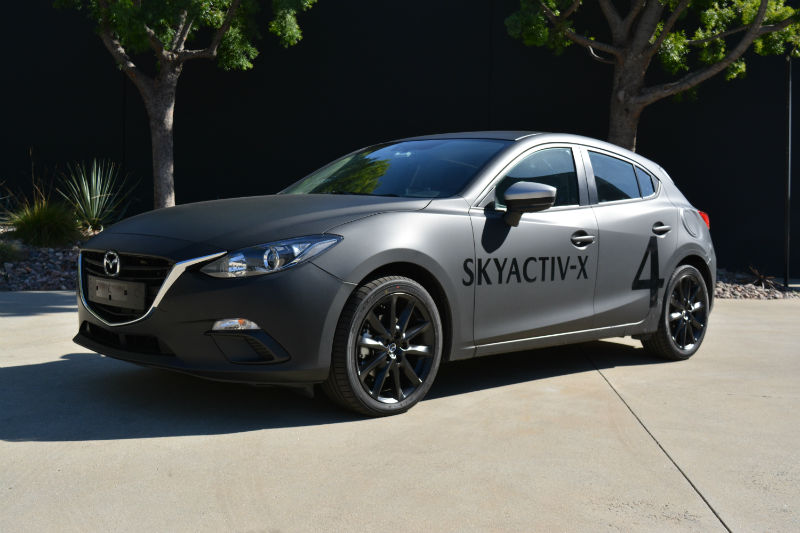
Mazda flew us to southern California, in Irvine to be precise, in order to give a chance to sample some working test mules, or prototypes. These cars consisted in the next generation SkyActiv chassis with a current Mazda3 body on top. This platform featured the revised chassis, suspension tuning and NVH control. On this very brief drive, it was difficult to not solely concentrate on the powertrain.
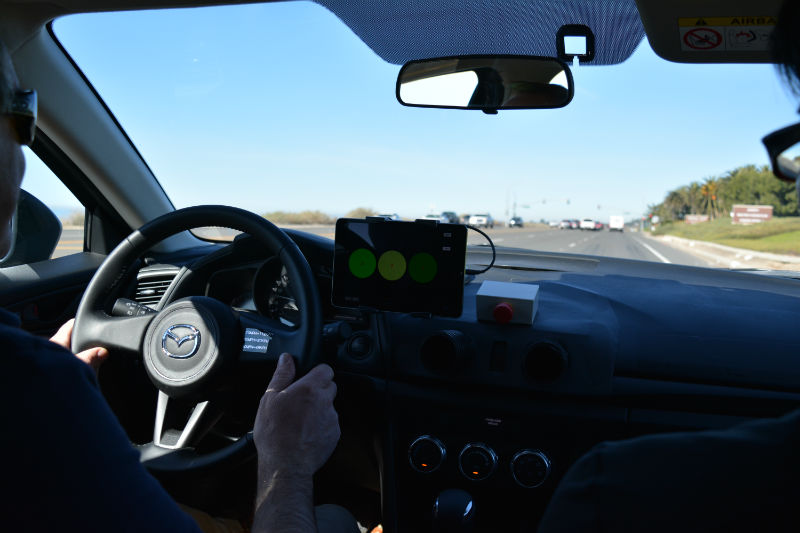
I started off in a manual transmission-equipped car. I perhaps anticipated too much from the car. I found throttle response to be slow and uneven. There was a direct correlation with torque delivery. Although the 2.0-litre 4-cylinder engine produced approximately 170 lb.-ft. of twisting power, I could fully enjoy the experience. I later found out that there were issues with these cars since their arrival in the US after spending time in Europe.
The automatic transmission cars fared far better. Throttle response was linear, as was power delivery. Again, I was expecting more from the engine. We did make our way to Mazda HQ in Mazda3s with the 2.5-litre engine. Maybe that was a mistake…
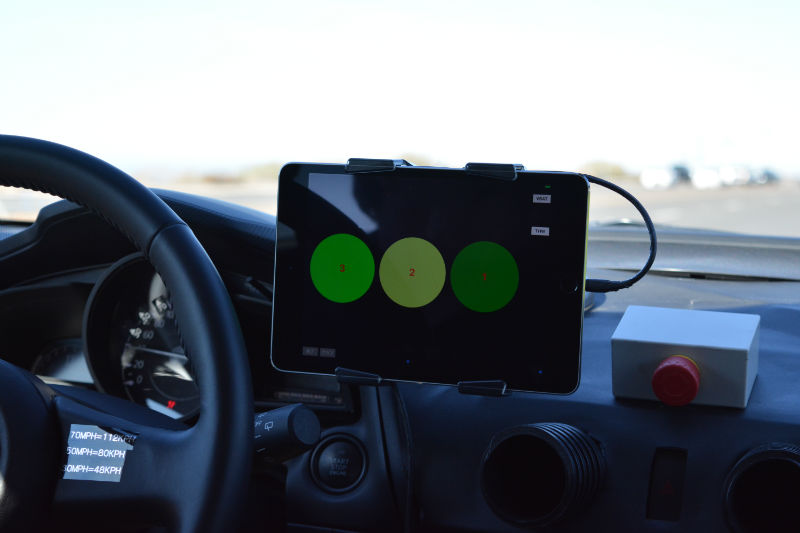
Our drive did not provide us with any fuel consumption information although we were able to keep track of the engine’s various combustion modes. The automatic permitted “extra-lean” combustion, or the most efficient mode, to occur far more often than with the manual. As expected, it should provide the better fuel consumption numbers.
The drive portion of the event was not conclusive enough for me to properly evaluate the driving experience. The technology is immensely promising, however. The end results will be an expected 30% bump in torque and a 20% improvement in fuel economy over the current SkyActiv-G engines.