 Woman And Wheels Automotive website dedicated to women
In most provinces in Canada, it is not legally required to have winter tires installed on your vehicle. That said, driving on tires designed to handle icy and snowy road conditions can make all the difference between enjoying winter and feeling in control behind the steering wheel of your vehicle, or feeling like you are unsafe when the road gets slippery.
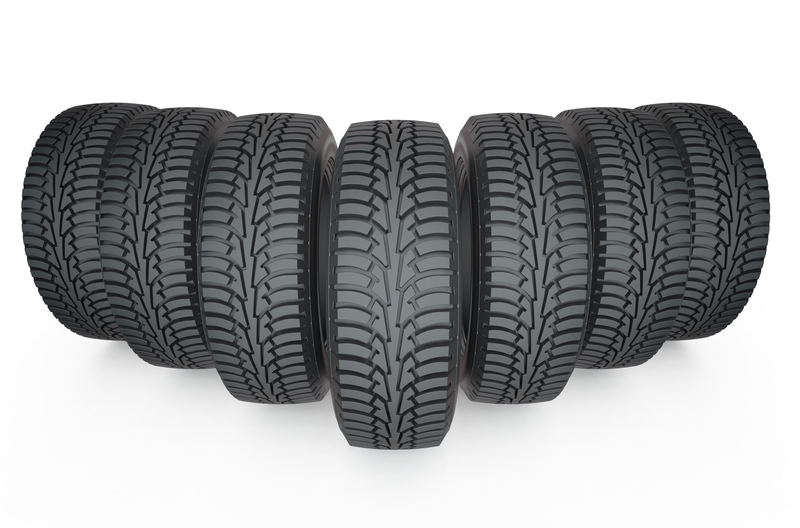
There are three main areas where winter tires differentiate themselves from all-season tires.
Thread depth
Snow can build up on your tires in winter, which means that the rubber no longer touches the road. Should that happen, your tires lose their grip and your vehicle becomes unstable. The deeper threads of winter tires means that snow doesn’t build up as much on the surface.
Thread pattern
The unique thread pattern of winter tires is designed to better channel snow and slush through the tire and towards the back, again ensuring that your tires remain in contact with the road.
Rubber
The most important difference between winter tires and all-season tires is the rubber. Designed to remain flexible even in extreme cold, winter tire rubber will perform a lot better when it’s cold outside.
Thank you to Kentville Mazda for their help with this article.


